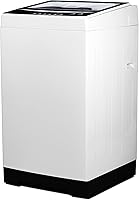
Do New Washing Machines Come With Hoses?
Usually yes. Most new full-size washers ship with a pair of braided hot and cold inlet hoses in the box. Check the box and the setup sheet when the washer arrives, because some models ship without hoses and some ship without a drain hose.
On this page (10 sections)
- Do new washing machines come with hoses in the box?
- Which hoses does a new washer ship with?
- Is the drain hose included too?
- How do you check what's in the box before delivery?
- How long should the hoses be for your setup?
- Which replacement hoses are worth buying as a spare?
- How often should you replace washing machine hoses?
- Do you need to buy anything else for install day?
- What should you do on delivery day?
- Do new washing machines come with hoses? The bottom line
Usually yes. Most new full-size washing machines come with a pair of braided hot and cold inlet hoses in the box.
A smaller share ship without them or include only a drain hose, so read the setup sheet and the carton before you plan install day.
Do new washing machines come with hoses in the box?
The hoses are the parts most likely to be in the carton, so start there. Pull out the bag or bundle taped to the top or packed beside the drum.
Most washers sold in the US come with a red and blue pair: one hose for hot water and one for cold. The pair is usually 4 to 6 feet long, with a 3/4 inch female fitting at each end and rubber gaskets already fitted.
Some models, especially budget or builder-grade units, skip the inlet hoses and expect you to buy your own. Stacked pairs and combo units sometimes include a drain hose instead of inlet hoses.
Don't throw away the bag before you read the setup sheet. The sheet lists what's in the box and what you still need to buy.
Which hoses does a new washer ship with?
Inlet hoses for hot and cold water are the standard pair, and they are color-coded red and blue so the install is quick. The red hose goes to the hot valve and the blue hose to the cold valve.
The hoses are almost always braided stainless steel over a rubber or PVC core. The braid resists a burst under pressure and the rubber inner tube keeps the water path flexible.
Length varies by model. Four feet is common for a side-by-side hookup.
Six feet shows up on front-loaders and on units built for closets where the valves sit far from the back panel.
Check the fittings before you start. A 3/4 inch female hose thread matches standard US laundry valves.
If your valves are different, you'll need an adapter.
Is the drain hose included too?
Often yes, but not always, and the hook-up kit usually isn't. Many standalone washers ship with a corrugated drain hose in the box.
Stacked pairs and all-in-one combo units usually do.
What almost never comes in the box is the rest of the drain setup. You may need a standpipe adapter, a U-bend hook, or a drain hose extension if the washer sits far from the drain.
Check the setup sheet for the drain length and the recommended drain height. A hose that's too short pulls the washer away from the wall.
One that's too long can sag and trap water.
If the carton only lists inlet hoses, plan to buy a drain hose before the delivery date.
How do you check what's in the box before delivery?
Read the setup sheet and the parts list before you order. Both name the parts included, and the sheet is the one to trust when they disagree.
Look for three things: the hot and cold inlet pair, the drain hose, and the drain hook-up kit. Anything not on the list is on you.
If you're buying from a store that installs the washer, ask the delivery team what they bring. Some installers supply hoses at the door for an extra charge.
Others expect you to have them ready.
How long should the hoses be for your setup?
Measure the run from the water valves to the back of the washer, then add 12 to 18 inches of slack. That gives you room to slide the washer out for cleaning without stressing the fittings.
Four feet covers most side-by-side installs where the valves sit just above the washer. Six feet helps in a closet or corner where the washer tucks past the valve.
Longer isn't always better. A coiled or kinked hose can restrict flow and put strain on the coupling.
Pick the shortest length that reaches with slack.
If the valves are behind the washer and low to the floor, a 90 degree elbow on one end can save space. That's the setup the Beaquicy pair is built for.
Which replacement hoses are worth buying as a spare?
Buy a braided stainless pair with brass nuts and rubber gaskets, even if your new washer came with hoses. A spare set costs little and gets you back to washing the same day if a hose fails.
Best overall: Yejesiy 4 Ft Washing Machine Hoses
The Yejesiy pair is the best pick for most homes. It's a 4 foot red and blue pair with a two-ply PVC core and brass nuts, so it covers hot and cold supply in one box.
The 3/4 inch fitting is the standard US laundry thread. Yejesiy says the brass nut resists rust and cracking, and the thick rubber gasket seals at each end.
The pair is rated for hot and cold lines.
Best for tight corners: K&J Premium 6ft Washing Machine Hoses Burst
The K&J pair is the best pick when the valves sit far from the washer. Each hose is 6 feet long, braided stainless over a pure rubber inner tube, so it reaches corners and closets without a coupler.
K&J calls the braid burst-proof and says the rubber washers form a better seal at each connection. The hoses can be used for hot or cold supply, so you don't have to track which is which.
Best for closets: Beaquicy 6FT Washer Stainless Steel Hoses
The Beaquicy pair is the best pick for a washer set close to the wall. One end of each hose has a 90 degree elbow, which lets the washer sit nearer the wall without kinking the line.
The braided outer sleeve is 304 stainless steel, and the hoses have a 3/4 inch female thread at each end. Beaquicy rates them for use from 15°F to 158°F, so hot and cold lines both work.
Measure the clearance behind the washer first, since the elbow adds a turn that needs a little room.
How often should you replace washing machine hoses?
Replace them every 5 years, or sooner if you see bulges, cracks or rust at the fittings. The hoses sit under constant pressure, so they age even when the washer runs fine.
Write the install date on the hose with a marker so you know when the 5 year clock starts. Check the hoses twice a year.
Run your hand along the braid for soft spots and look for water beads at the nuts.
Our guide to how often to replace washing machine hoses walks through the full inspection and replacement steps. A cheap replacement pair is much cheaper than a burst hose flood.
Do you need to buy anything else for install day?
Plan on a drain hose or hook-up kit, a level, and a pan or mat for the floor. The inlet hoses are the easy part.
The drain side is where installs usually stall.
If your new washer came without a drain hose, buy one before delivery. Measure from the back of the washer to the standpipe and add slack.
The drain should hook at a height the setup sheet gives.
A level keeps the washer steady on the spin cycle. A pan or mat under the unit catches small drips and protects the floor.
Some pans fit only under certain washers, so check the size first.
Remove the shipping bolts from the back of a front-loader before the first wash. Running the machine with them in can damage the drum and void the warranty.
What should you do on delivery day?
Open the carton and check the parts bag against the setup sheet before you sign. If the hoses or drain parts are missing, tell the delivery team then, not after they leave.
Set the hoses aside and inspect them for cracks or missing gaskets. Screw each hose onto its valve by hand first, then snug it with pliers.
Don't over-tighten. The rubber gasket does the sealing.
Run a short cycle and check both ends of each hose for drips. Tighten a quarter turn if you see a bead of water.
Repeat the check after the first full wash.
Keep the spare pair you bought on the shelf. If you need to size a replacement for a small space, our guide to the best washing machine for an apartment covers compact units and their hookups.
Do new washing machines come with hoses? The bottom line
For most buyers the answer is yes, but treat the hoses as a part to check rather than assume. Read the setup sheet in the carton and buy a spare pair so a failed hose never leaves a load sitting wet.
If your new washer came with a 4 foot pair and the valves are close, the Yejesiy set is the best spare. Pick K&J when the run is long, or Beaquicy when the washer needs to sit close to the wall.
Check the fitting size and the drain setup before you order. And when you're shopping for the washer itself, our guide to how to choose a washing machine covers capacity, drum type and hookup needs.
If you live where the water is hard, see which washing machine is best for hard water before you decide.
Frequently asked questions
Do all new washing machines include hot and cold hoses in the box?
No. Most top-load and front-load washers do include a hot and cold pair, but not every model does.
The quickest check is the setup sheet in the carton and the accessory list for the model you bought.
Should I replace the hoses that came with a new washer right away?
You don't have to. Use the included pair if it is braided stainless steel with rubber gaskets and brass nuts.
Many households still buy a spare pair so a leak on the old set doesn't keep the washer out of action.
What length of washing machine hose do I need?
Measure from the water valves to the back of the washer, then add a little slack. Four feet suits most side-by-side installs; six feet helps when the washer sits in a corner or a closet.
Does a new washer come with a drain hose?
Often yes, especially when the washer is sold as part of a stack or a pair. In many standalone boxes the drain hose is included, but the drain standpipe or hook-up kit is not.
Check the carton before you plan the install.
Can I reuse my old washing machine hoses on a new washer?
You can, but only if the rubber is soft, the braid is intact and there are no bulges or worn threads. Old hoses fail more often than new ones, so a fresh pair is cheap insurance when you swap the machine.
What else do I need to buy for a new washer install?
Plan on a drain hose or hook-up kit, a level, and a pan or mat if the floor needs protection. Newer washers also need the shipping bolts removed from the back before the first spin.