
Full-Size Washers
Do Front Load Washers Use Less Water?
Do front load washers use less water? Yes, front loaders use less water than top loaders, and we explain why, how much, and when the savings show up.
We compare top load, front load, compact and all-in-one washers from Kenmore, LG, Samsung, BLACK+DECKER, Midea and others by capacity, size and features. Start with the type you want, the space you have or the care question on your mind.
Do front load washers use less water? Yes, front loaders use less water than top loaders, and we explain why, how much, and when the savings show up.

Here's how to replace a washing machine door gasket: unplug the washer, peel the old seal from its groove and spring ring, and fit the new gasket before the leak returns.

Yes, you can run a washing machine empty for a cleaning cycle. Learn when an empty load helps, when it wastes water, and how to do it safely.

Here's how to clean a top load washer filter: find it near the agitator or under the drum, lift it out, rinse off lint and grit, and set it back flat.
Yes, you can remove the agitator in a washing machine on most top load models, usually to clean it or clear a jam. Here is when it helps and when to leave it alone.
Yes, you can repair a washing machine door seal, and often you can skip the repair by cleaning and drying the gasket first. Here's how to decide.
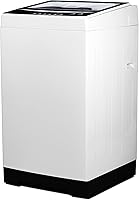
Can you put a washing machine outside? Yes, but only with cover, drainage and power sorted. Here is how to place a washer outdoors without ruining it.

Are washer dryer combos more energy efficient? Yes for washing and ventless drying, but cycle length and heat pump design decide the real savings.

No, washing machines are not all the same depth. Front loaders run 22 to 31 inches deep and top loaders about 25 to 28 inches. Measure before you buy.