Do Washing Machine Cleaners Work?
Yes, washing machine cleaners work for the problems they're built for: odor, soap scum and hard water film. They don't repair a broken pump or clear a blocked drain filter, so match the product to the cause.
On this page (8 sections)
- How do washing machine cleaners work?
- Do washing machine cleaners actually remove odors?
- Which cleaner should you start with?
- Does a cleaner get rid of mold in the drum and gasket?
- How do you run a cleaning cycle the right way?
- How often should you clean the washer?
- When is the problem not the cleaner?
- What the cleaning products won't do
Yes, washing machine cleaners work for the problems they're designed to fix: odor, soap scum and hard water film inside the drum, pump and filter. They don't repair a broken pump or clear a blocked drain filter, so the useful question is which cleaner suits your washer's actual problem.
This guide covers what cleaning tablets and descalers actually remove, how to run a cycle properly, and when the source of the smell is somewhere the tablet can't reach. Along the way, we name the products we'd reach for first and when each one makes sense.
How do washing machine cleaners work?
A cleaning tablet works by releasing oxygen and detergent through a wash cycle with no laundry in the drum. Affresh says its tablets are time-release and deliver cleaning action throughout the cycle, reaching the pump, drum and filter.
The oxygen lifts organic residue, and the detergent carries it away with the drain water. A descaler takes a different path, dissolving mineral scale from hard water, which builds up as a chalky film on the drum wall and heating element.
Scale traps detergent residue and holds odor, so a descaler addresses a cause a plain detergent tablet doesn't touch.
Most tablets go into an empty drum and run on a hot cycle. The water needs to fill the tub fully so the tablet dissolves and circulates, and hot water helps the oxygen work faster.
Affresh lists the pump, tub, basket, agitator, filter, drum, hoses and valve as the components its tablet is meant to reach.
Do washing machine cleaners actually remove odors?
Yes, for odors that come from residue and scale. Affresh says its tablets remove residues that trap odors from pets, sweat and mildew so they don't transfer onto clothes and sheets.
The smell often comes from a mix of detergent, fabric softener and lint sitting in the pump, filter and the gap behind the gasket. A tablet reaches the pump and filter through the water path.
It can loosen the film so the next drain carries it out.
It won't clear a filter packed with lint or a gasket fold holding a wet sock. Those need hands and a cloth first.
A cleaner works best on a machine that's already physically clear. If the smell stays after a cycle or two, the cause is usually a physical clog or a damp spot the water never floods.
Which cleaner should you start with?
Start with a monthly tablet if the drum smells but the machine still washes normally, and move to a descaler when you live in a hard water area. Three products cover most cases.
Affresh for a simple monthly routine
Affresh is the pick when you want one tablet, once a month. Affresh says its time-release tablet cleans the pump, tub, basket, agitator, filter, drum, hoses and valve, and that one tablet a month halves the twice-monthly cycles some cleaners ask for.
It's safe for top-load, front-load and high-efficiency washers, and Affresh says it's EPA Safer Choice certified and septic safe. It's also the brand Whirlpool, Maytag and Amana recommend, so it's a sensible match for those machines.
It's a good first buy if you just want the routine handled without reading labels.
ACTIVE descaler for hard water
Pick the ACTIVE 24-pack when scale is the problem. Its tablets are effervescent and break down into a scrubbing powder when they hit water, so they target grime and hard water buildup rather than just freshening the drum.
ACTIVE says they're septic safe and use less packaging than liquid descalers, and the 24 count is the brand's one-year supply, two tablets a month. It works in top-load and front-load machines, but not dryers.
ACTIVE gel for the gasket and seal
The gel is for the spot a tablet can't scrub: the rubber gasket and the fold around the door, where black spots and mildew grow on front-loaders. ACTIVE's gel clings to vertical surfaces so it stays put instead of running off.
It's also used on grout, caulk and shower walls. For the full process on a front-loader door, see our guide to how to clean a washing machine rubber seal.
Does a cleaner get rid of mold in the drum and gasket?
A tablet reduces mold food and surface film, but it doesn't scrub visible mold from a rubber seal. Mold grows where moisture sits: the gasket fold, the detergent drawer and the door glass.
Water flowing through the drum won't reach all of those spots.
That's why the gel matters on a front-loader. Apply it to the stained area and leave it in place for at least five hours before wiping, as ACTIVE directs.
Run the tablet cycle on a separate day so the gel isn't washed away before it works. The gel's directions are worth following closely: shake the bottle for about ten seconds, apply an even layer, wait the full five hours, then wipe and rinse the area with water.
Stubborn spots may need a second application. The same gel also works on refrigerator seal strips and bathroom caulk, so it earns its shelf space beyond the washer.
For a top-loader, lift the lid and check under the rim and around the agitator cap. A tablet cycle helps there, but a cloth does more in the corners.
How do you run a cleaning cycle the right way?
Empty the drum, add the tablet, and run the hottest, longest cycle your washer offers for its cleaning program. A short cold cycle limits how much the tablet can dissolve and lift.
- Take out all laundry, including anything left in the door or under the agitator.
- Clear lint from the filter first so loosened grime has somewhere to drain.
- Wipe visible debris from the gasket and detergent drawer before starting.
- Run a full water fill on hot, then let the cycle finish without opening the lid.
- Wipe the drum and gasket dry afterward and leave the door ajar.
Don't add detergent or fabric softener to a cleaning cycle. Extra soap leaves more residue and works against the tablet.
The goal is a full tub of water moving through the internal parts, not a sudsy wash.
How often should you clean the washer?
Run a tablet about once a month and do a deeper gasket and filter clean every few months. If you wash mostly cold and use fabric softener, clean more often; cold water and softener leave more residue behind.
Households with pets, heavy sweaty laundry or several loads a day build residue faster. A monthly cycle is the floor, not the ceiling.
See how long a machine should last in our guide to how long should a washing machine last, because a well-cleaned washer tends to last longer than a neglected one. Also check the hoses and connections around the same time, and our guide to how often to replace washing machine hoses covers the interval and the warning signs.
When is the problem not the cleaner?
Some smells and faults come from a part a cleaner can't fix. A blocked drain filter, a kinked hose or a failing pump needs a repair, not a tablet.
- The drum still smells after two cleaning cycles with a drained filter.
- Water pools in the drum or drains slowly.
- The machine leaves dark flakes or grit on clothes.
- A sour smell comes from the drain hose or the floor under the machine.
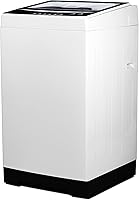
If your machine is small or portable, the cleaning routine is similar; see our answer on do portable washing machines work and how their smaller drums change the schedule. Cleaning still helps, but the machine's size and plumbing matter more.
A compact washer holds less water per fill, so the tablet has less to work with and the gasket spots are often tighter to reach.
What the cleaning products won't do
No cleaner replaces regular care, and none can promise a permanent fix for a machine with a real fault. A tablet handles residue and scale; it doesn't unblock a drain pump or repair a worn seal.
The right sequence is to clear physical debris, run the correct cycle, and then check whether the smell or residue is gone. If it isn't, look at the gasket, filter and hoses by hand before buying another product.
A second tablet on top of the first won't reach a spot the water path already missed.
Do washing machine cleaners work? Yes, when they match the cause.
Pick Affresh for a simple monthly routine, the ACTIVE descaler for hard water scale, and the ACTIVE gel for visible gasket mold. If you live in a hard water area, or you're choosing between machines for a small space, our guide to do portable washing machines work covers how cleaning needs change with a compact washer.
Our score weighs specs, features and buyer feedback against what you're shopping for. For a cleaning routine that protects the machine's plumbing, also read how often to replace washing machine hoses and how long should a washing machine last.
Frequently asked questions
Can a washing machine cleaner fix a musty smell that comes back?
It can clear the residue that feeds the smell, but the odor returns if the cause stays. Leave the door or lid open between loads, wipe the gasket, and run a cleaning cycle on the schedule the cleaner gives.
Do cleaning tablets replace washing soda or vinegar?
No, but they're more predictable. Tablets are measured for a full cleaning cycle and often combine oxygen bleach with a descaler.
Vinegar and baking soda are cheap stand-ins for light odor, but they don't target mineral scale as strongly.
Should I run a cleaner in a top-load or a front-load washer?
Both types accept cleaning tablets. Use a cycle with a full water fill, hot water where your washer allows it, and no laundry in the drum.
Check the drum capacity so you use the right tablet count for the load.
How do I know the cleaning cycle worked?
The drum should smell neutral and no longer leave a sour note on a damp towel. Visible scum on the gasket or detergent drawer should wipe away easily.
If odor stays, clean those surfaces by hand and run the cycle again.