Do Washing Machines Need Servicing?
Yes, washing machines need servicing, but most of it is cleaning and checking you can do yourself. A monthly hot clean of the drum and filter keeps odors and soap scum down, and once-a-year checks catch hose or seal problems early.
On this page (11 sections)
- Do washing machines need servicing at all?
- What does routine washing machine servicing include?
- How often should you service a washing machine?
- What should you check once a year?
- How do you keep a washer smelling fresh?
- How do you deal with hard water and scale?
- What are the signs a washer needs a technician?
- How does servicing change with washer type?
- Does servicing affect your warranty?
- Which cleaning products actually help?
- What's the bottom line on washer servicing?
Yes, washing machines need servicing, but most of it is cleaning and checking you can do yourself. A monthly hot clean of the drum and filter keeps odors and soap scum down, and once-a-year checks catch hose or seal problems early.
A washer is a wet appliance that sees detergent, lint, and hard water on every cycle. Knowing which jobs are DIY and which need a technician saves money and repair headaches.
Do washing machines need servicing at all?
Yes. Every washer benefits from routine servicing, even though most of it doesn't require a professional.
The manual sets out cleaning cycles, filter locations, and drain instructions, and those are the first things to follow.
Servicing means three different things. Daily care is wiping the door and leaving it ajar.
Routine servicing is the monthly cleaning cycle and filter rinse. Annual checks look at hoses, seals, and the cabinet for leaks or wear.
The first two are easy to do at home. The third is where some owners bring in a technician, though many checks are simple visual inspections.
How much servicing a machine needs depends on use. A family running a load a day will build residue faster than a single person washing twice a week.
Hard water and pets add to the load on the drum and filter.
What does routine washing machine servicing include?
Routine servicing is a hot cleaning cycle, a filter rinse, and a wipe of the door and detergent drawer. Together these take about an hour and handle most of the grime that builds up in a washer.
Start with an empty drum and the hottest cycle your machine offers. A dedicated cleaner or a cleaning cycle on newer models does the deep work while you handle the parts you can reach.
The filter catches lint, coins, and hair. On many front loaders it sits behind a small panel at the bottom front.
Top loaders often have a lint filter near the top of the drum or under the agitator cap.
The detergent drawer pulls out on most machines. Rinse it under warm water and use an old toothbrush on the softener slot, which is where mold usually starts.
Wipe the door glass and the rubber gasket on a front loader, since grime hides in the fold.
How often should you service a washing machine?
Clean the drum about once a month and do a fuller check about once a year. That schedule matches how most washers are used and keeps buildup from getting ahead of you.
Monthly cleaning handles detergent residue, lint, and the bacteria that cause smells. A single tablet or pod in an empty hot cycle is enough.
The yearly check is the deeper service: look at the water hoses for cracks or bulging, check the floor for slow leaks, and clear the drain pump filter if your machine has one. Descale the drum if your water is hard.
Some households need more. Daily use, pets, hard water, and heavily soiled workwear all speed up buildup.
In those cases a cleaning cycle every two to three weeks makes sense. Washers that sit unused for long stretches also need attention, so run a short rinse cycle before the first load after a long break.
What should you check once a year?
Check the hoses, the seals, the drain filter, and the cabinet base once a year. These are the spots where small problems turn into leaks or repair bills if left alone.
Inlet hoses carry water under pressure. Look for bulges, cracks, or a damp fitting at either end.
Braided stainless hoses last longer than rubber ones, but both should be replaced if they show wear.
The door seal on a front loader is the most common source of leaks. Run a finger around the inside of the gasket to feel for grit or tears.
The drain pump filter traps debris that can slow draining, so put a towel and shallow tray underneath before you open it. Check the floor and cabinet base for rust or water marks, since a slow leak often shows as a stain before it shows as a puddle.
How do you keep a washer smelling fresh?
Clean the drum monthly, wipe the gasket, and leave the door open between loads. Freshness comes from airflow and from removing the residue that traps odor.
Moisture is the main cause of musty smells. A front loader with the door shut traps damp air against the gasket.
Propping the door open lets the drum and seal dry between cycles.
The Affresh tablets are built for this monthly job. Each tablet goes into an empty drum on a hot cycle and releases over the wash to clean the pump, drum, and filter.
Affresh says one tablet once a month is enough, and the tablets are safe for top loaders, front loaders, and high-efficiency washers. They are also EPA Safer Choice certified and septic safe, and Whirlpool, Maytag, and Amana recommend the brand.
The eHuangTools door prop solves the airflow problem. Its magnetic base sticks to a metal washer panel and the flexible hose holds the door ajar so the gasket dries.
It's for iron front loaders and dryers, not stainless steel or plastic panels. If your machine lives in a humid spot, this small accessory helps keep the door open so the seal dries.
Just check the panel is magnetic before you buy.
How do you deal with hard water and scale?
Use a descaler a few times a year if your water is hard, and watch for chalky film on the drum. Scale builds on the heating element and slows the washer down over time.
Hard water leaves mineral deposits that trap detergent and reduce cleaning power. Over months, the element works harder to heat the same water, which shortens its life.
The ACTIVE 24-pack is a year's supply of descaling tablets. Each one fizzes and breaks down into a scrubbing powder when it hits water, which lifts hard water buildup and grime.
The tablets are unscented and septic safe, and they work in top loaders and front loaders, high-efficiency or standard. The bulk box means you won't run out mid-year, unlike smaller packs that last only a few cycles.
If your water supplier reports hard water, run a descaler monthly as directed. In soft water areas, twice a year or when you notice film is enough.
Avoid mixing a descaler and a chlorine cleaner in the same cycle.
What are the signs a washer needs a technician?
Leaks, loud spin noises, and standing water point to a part failure, not dirt. These are the jobs where a professional earns their fee.
A leak from under the cabinet could be a worn hose, a loose connection, or a failed pump seal. Hoses are a DIY fix for many people.
A pump or tub seal usually isn't. Rumbling or grinding during the spin cycle often means worn drum bearings, a bigger repair that on some machines costs more than the washer is worth.
Water that won't drain, or a drum that won't spin at all, can be a blocked filter or a failed pump. Clear the filter first.
If the machine still won't drain, call a technician. Error codes help here, since the manual lists what each code means and many point to a simple fix like a blocked drain or an unbalanced load.
How does servicing change with washer type?
The basics are the same for every washer, but front loaders and compact models need a little more attention. The differences come down to where water and grime collect.
Front loaders have a rubber gasket that holds moisture. Wiping it and leaving the door ajar matters more than on a top loader.
Top loaders are simpler in some ways. There's no gasket, but the detergent drawer and the area under the agitator cap collect residue.
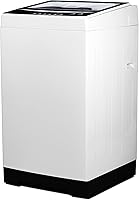
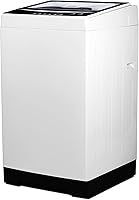
Compact and portable washers have small drums and short cycles. That means they build residue quickly relative to their size.
If you're weighing up a small machine, our guide to do portable washing machines work covers what to expect from them day to day.
Washer-dryer combos add a second job. The dryer side needs its lint filter cleared after every load, and the vent or condenser path needs checking.
Combos also trap moisture more easily, so airflow between uses matters.
Does servicing affect your warranty?
Yes. Many manufacturers require routine cleaning and proper use to keep the warranty valid.
Skipping the cleaning cycle or ignoring a leak can give a manufacturer grounds to decline a repair.
The warranty terms are in the manual that came with the machine. Cleaning and filter care are typically the owner's responsibility.
Keep receipts for parts and cleaners, and note when you ran cleaning cycles. If a repair claim comes up, that record shows you followed the maintenance schedule.
Don't assume a cleaner voids a warranty. Products like Affresh and ACTIVE are designed for all washers and are safe when used as directed.
Follow the dose and cycle instructions on the pack.
Which cleaning products actually help?
A monthly drum cleaner and a descaler for hard water cover most washers. Add a door prop for a front loader, and you've handled the three main causes of smells and buildup.
Choose Affresh for the monthly cleaning cycle. Its time-release tablet cleans the pump, drum, and filter and works in any washer.
Choose ACTIVE if you have hard water or want a year's supply in one box. The eHuangTools door prop is the simplest fix for a front loader that smells between washes.
Skip all three if your washer is brand new and you're just setting it up. Start the cleaning routine after the first month or two of use.
If your machine is a compact model, see our guide to washing machines for apartment living for space and setup tips.
What's the bottom line on washer servicing?
Do washing machines need servicing? Yes, but the routine kind is mostly DIY.
A monthly hot clean, a yearly check of hoses and seals, and a quick call to a technician when something leaks or grinds keeps a washer running well.
The decision rule is simple. If the machine drains, spins, and doesn't leak, stick to the cleaning schedule.
If it leaks, rumbles, or won't drain, stop and call a pro.
Before you buy a new machine, check the size you need with our guide to what size washing machine do I need.
Frequently asked questions
How often should a washing machine be serviced?
Run a cleaning cycle about once a month and do a fuller check of hoses, seals, and the filter once a year. A washer in daily use or a hard water area may need cleaning more often than one used a few times a week.
Can I skip professional servicing?
For many households, yes. A washer that drains well, spins normally, and has no leaks usually needs only routine cleaning and checks.
Call a technician when you see a leak, a loud bearing noise, or a washer that won't drain.
Does cleaning a washing machine really make a difference?
Yes. Detergent residue and hard water scale build up in the drum, pump, and filter over time, and a cleaner lifts them out so the machine rinses and drains more freely.
That buildup is also where musty smells start.
Do top loaders and front loaders need the same care?
They need the same basics: a monthly clean, a filter or drain check, and a look at the hoses. Front loaders also have a rubber gasket that traps moisture, so wiping it and leaving the door ajar matters more.
What are the signs a washer needs a repair rather than a clean?
Leaks from under the cabinet, a grinding or rumbling noise on spin, and water that won't drain all point to a part failure, not dirt. Stop using the machine and call a technician rather than keep running cycles.
Does hard water mean more frequent cleaning?
Yes. Hard water leaves mineral scale on the drum and heating element faster, so a descaler or a monthly cleaning cycle helps keep the washer running well.
Check with your water supplier for your local hardness.