Can You Put a Washing Machine Outside?
Yes, you can put a washing machine outside, but only if you protect it from rain, frost and direct sun and supply it with safe power, water and drainage. A standard washer is built for indoor use, so an uncovered spot on a patio or balcony shortens its life.
On this page (7 sections)
- Can you put a washing machine outside at all?
- What breaks when a washer sits outside?
- How do you shelter an outdoor washing machine?
- What power and plumbing does an outdoor washer need?
- Which washing machine works best outdoors?
- What about winter, frost and hard water?
- What's the verdict on putting a washer outside?
Yes, you can put a washing machine outside, but only with the right shelter, power and drainage. A standard washer is designed for indoor use, so an exposed patio or balcony spot will shorten its life unless you control water, weather and temperature.
The bigger question is whether an outdoor spot is worth it. It can free up space in a small home or apartment, but it also adds weatherproofing, plumbing and electrical work that an indoor install skips.
Can you put a washing machine outside at all?
It's possible, and people do it, but the machine is not built for the outdoors. Most washers assume a dry, frost-free room with a nearby hot and cold tap and a drain.
Outdoors you need to supply all of that yourself. A permanent outdoor spot means an exterior power outlet, weatherproof plumbing and a drain that carries wastewater away from the house.
The washer's own materials are the weak point. Even a stainless steel tub sits in a cabinet with painted panels, a control board and rubber seals that age fast in rain, damp and sun.
If your only reason is space, a compact unit indoors may solve the same problem with less risk. Our guide to the best washing machine for apartment living covers small-footprint choices that fit a bathroom or closet.
What breaks when a washer sits outside?
Rain, frost, sun and dirt each attack a different part of the machine. The result is usually a shorter service life and more repairs.
- Water in the electronics. The control panel and motor sit low and are not sealed against rain or splashes from a hose.
- Frozen water. Leftover water in the pump, valve or hoses expands in freezing weather and can crack them.
- Sun damage. UV light fades and cracks plastic knobs, the lid and the control housing.
- Rust. Damp air and pooled water attack the cabinet, screws and any painted edges.
- Pests and debris. Leaves, dust and insects get into vents and block drains.
A covered porch with a solid roof and a raised, dry base removes most of these risks. An open patio does not.
How do you shelter an outdoor washing machine?
Give the washer a solid roof, a raised base and airflow around it. A cover alone is not enough if water can pool under or around the unit.
A simple lean-to or a weatherproof cabinet keeps rain off the top and sides. Leave the back and sides open enough that damp air can escape, because trapping moisture under a tight cover causes rust too.
Sit the machine on a raised platform or paving so it never stands in a puddle. A level base also keeps the drum from shaking during a spin cycle.
If you want to know more about the machine itself before you commit, our guide on how to choose a washing machine walks through the features that matter for a long-lived install.
What power and plumbing does an outdoor washer need?
You need a dry, grounded outlet and protected water connections. This is the part that most often goes wrong, and the part that matters most for safety.
For a permanent setup, a weatherproof exterior outlet with a close-fitting cover is the safer choice. Never run an extension cord across wet ground or leave a plug lying where water can reach it.
Hot and cold taps need to be reachable and fitted with shutoff valves. If the taps are exposed, insulate the pipes so they don't freeze in winter.
Drainage has to send wastewater to a drain or standpipe, not onto the patio. A hose lying on the ground backs up and leaves dirty water around the machine.
Who should buy the Yejesiy hoses?
The Yejesiy 4 Ft Washing Machine Hoses suit anyone who needs fresh hot and cold supply lines for a new outdoor spot. The two-pack comes with one red hot hose and one blue cold hose, each 4 ft long.
The stainless steel outer braid and brass nuts resist corrosion, which matters in a damp outdoor location. Each hose fits a standard 3/4 in connection and works in hot and cold temperatures.
The 4 ft length gives you some slack to reach taps set slightly away from the machine. Measure the gap between the taps and the washer before ordering, and add a little extra for a gentle bend.
Yejesiy backs the pair with a 10-year warranty. That covers the hoses, not the washer, so keep them clear of standing water and check the connections after the first few washes.
Which washing machine works best outdoors?
A portable washer is the safer pick for an outdoor spot because it connects to a single faucet and can be moved under cover or indoors when weather turns. Full-size units are heavier to shelter and harder to drain.
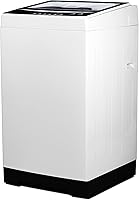
The BLACK+DECKER 3.0 Cu Ft Portable Washer is the top pick here. It has a 3.0 cu ft stainless steel tub, 26.5 lb capacity and 6 cycles, including Normal, Heavy, Delicate, Quick, Bulky and Spin Only.
Three water levels and cold, warm and hot settings give you flexibility when the outdoor tap runs only cold. The stainless steel tub resists rust and corrosion, which helps in a damp spot.
It also has auto unbalance detection, auto shutoff and a child lock.
Two roller wheels and side handles let you move it from a porch to a storage closet when rain is coming. It arrives with a drain hose and a quick connect sink adaptor.
That single-faucet hookup is why it suits a covered outdoor tap better than a plumbed-in machine.
Who should buy the COMFEE' portable washer?
The COMFEE' 1.6 Cu Ft Portable Washer is the better fit for very tight spaces like a small balcony corner or a shed. It's 20.7 in deep by 20.3 in wide by 37 in high and weighs 79.4 lb.
It holds 11 lb of laundry in a stainless steel inner tub and runs 6 programs: Normal, Quick, Heavy, Bulky, Delicate and Spin Only. Three water temperatures, an extra rinse option and a child lock round out the controls.
A delay start lets you set a wash time, and the reload feature lets you pause and add a forgotten item. COMFEE' says the motor uses up to 84% less energy than similar models.
Wheels make it easy to shift under shelter. If you're deciding between sizes for your space, our guide on what size washing machine you need helps you match capacity to your household.
What about winter, frost and hard water?
Cold is the biggest risk for an outdoor washer, and hard water is the second. Both need a plan before the first freeze.
When temperatures drop, water left in the pump, inlet valve and hoses can freeze and crack. Drain the machine and the hoses after each use, or move a portable unit indoors for the winter.
A full-size washer in an unheated spot needs the same drain-down.
Hard water leaves scale on the tub and heater over time. If your outdoor tap is hard, a machine with a good rinse cycle and regular cleaning helps.
Our guide on which washing machine is best for hard water covers the features that handle scale better.
Check the maker's warranty terms too. Many washers cover indoor household use only, and freeze damage or an outdoor install can void coverage.
That's a cost worth knowing before you commit.
What's the verdict on putting a washer outside?
Yes, you can put a washing machine outside, but treat it as a covered, frost-free install rather than an open-air one. A solid roof, a raised dry base, a weatherproof outlet and proper drainage make the difference between years of use and a rusted cabinet.
For most people, a portable washer under a porch roof is the practical answer. It connects to one faucet, rolls under cover when needed and is easier to drain before a freeze.
A full-size machine can work outdoors too, but it needs more shelter and plumbing work.
If space is your main reason, weigh the outdoor option against a compact indoor unit first. Our guide to the best washing machine for an apartment shows how much room a small machine really needs.
And if your outdoor tap is hard, read the hard water washer guide before you pick a model.
Frequently asked questions
Can you put a washing machine outside in the rain?
No. Rain and splashing will get into the control panel, motor and bearings, and a wet electrical connection is a shock risk.
If the machine must sit outdoors, put it under a solid roof or in a weatherproof cover and keep the outlet and hoses protected.
Can a washing machine be used on a balcony?
Sometimes. A balcony works only if it has a drain, a safe power source and shelter from rain and direct sun.
Many apartment leases and building rules forbid appliances on balconies, so check before you buy.
Will an outdoor washing machine freeze in winter?
Yes, if it sits in an unheated spot. Water left in the hoses, pump or drum can freeze and crack parts.
Drain the machine and hoses after each use in cold weather, or move it indoors for the winter.
Does an outdoor washing machine need a special outlet?
It needs a grounded outlet that stays dry. For a permanent outdoor spot, a weatherproof exterior outlet with a cover is the safer choice.
Never run an extension cord across wet ground or leave a plug lying in a puddle.
Can you put a washing machine outside and still keep the warranty?
Often not. Many washers are warrantied for indoor household use, and outdoor installation or freeze damage can void coverage.
Check the maker's terms before you commit to an outdoor spot.