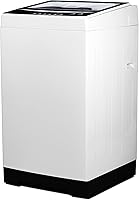
Can You Remove the Agitator in a Washing Machine?
Yes, you can remove the agitator in a washing machine on most top load models. It usually lifts off after you take out the center cap and bolt, and people do it to deep clean the part or clear a jam under it.
On this page (11 sections)
- Can you remove the agitator in a washing machine?
- Why would you take the agitator out?
- How does the agitator come off step by step?
- What should you clean while the agitator is off?
- Can you run the washer without the agitator?
- Which top load washers have an agitator you can remove?
- When should you leave the agitator in place?
- How do you put the agitator back on?
- What are the risks of removing the agitator?
- Frequently asked about agitator removal
- So, should you take the agitator out?
Yes, you can remove the agitator in a washing machine on most top load models. It usually lifts off after you take out the center cap and the bolt underneath, and people do it to deep clean the part or clear something caught beneath it.
The part is designed to come out for cleaning on many standard top load washers. It is not designed to come out and stay out, so plan to put it back before the next load.
This guide covers how the part comes off, why you might do it, and when to leave it in place.
Can you remove the agitator in a washing machine?
Yes, on many top load washers the agitator comes off for cleaning or jam clearing. The typical design has a cap on top, a bolt under the cap, and a splined hub that the part sits on.
Once the bolt is out, the part usually pulls straight up. Some models need a little rocking to break the grip of soap residue and lint around the base.
The part itself is one piece on most models, so there is nothing to unscrew lower down. If the part will not move after the bolt is out, stop and follow the manual for your model rather than forcing it.
Removing it is a maintenance step, not a change you make to how the washer works. The machine is built around the motion that part provides, so the job ends with it back in place.
Why would you take the agitator out?
Cleaning is the main reason, followed by clearing a jam. Soap scum, lint, and hair collect around the base and under the part where a normal wipe cannot reach.
People also pull the part when a small item, like a sock or a bra wire, gets caught between it and the basket. Lifting the part gives you a clear view of the hub and the space below.
Some people take it out to inspect for wear. A part with cracks or a worn spline can loosen and rattle during a spin, and seeing the hub helps you judge whether the part or the hub is the problem.
A few people remove it hoping to get a gentler wash for delicates. That is not a good reason, because the basket and drive still expect the part to move the load.
How does the agitator come off step by step?
Pop the cap, take out the bolt, and lift the part straight up. The order matters, because the bolt holds the part on the hub.
- Unplug the washer and shut off the water.
- Pry off the soft cap or center cover with a flat tool wrapped in cloth.
- Remove the bolt with the right socket or screwdriver.
- Rock the part gently and pull it up off the splines.
- Set it aside and clean the hub area.
Some models have a fabric softener dispenser in the cap, so lift that out first. Keep the bolt and cap in a cup so they do not roll under the machine.
If the part feels stuck, a little warm water around the base can loosen hardened detergent. Do not pry with a metal bar against the basket, because a bent hub is a much bigger repair than a dirty part.
What should you clean while the agitator is off?
Wipe the part, the hub, and the basket floor, then run a cleaning cycle. This is the moment to reach the grime that sits under the part and along the base.
Use a soft cloth and a mild cleaner on the part. Rinse it well, because leftover cleaner can foam in the next wash.
Wipe the splines and the top of the hub so the part slides back on cleanly. Check the basket floor for lint and small items while you have the space open.
Affresh tablets are made to clean the pump, drum, and filter area on a normal cycle. Affresh says one tablet once a month keeps the tub fresher.
Run the cleaning cycle with the part installed. A clean tub plus a wiped part covers both the surfaces you can see and the parts you cannot.
Can you run the washer without the agitator?
No, not for a normal load. The washer fills and may start, but the clothes will not move the way the cycle expects.
Without the part, clothes sit on the hub and rub against each other. They can ball up, snag on the hub, and come out less clean than a normal cycle.
On some models the controls sense a problem and stop the cycle. Others may run the full time and leave you with a wet, tangled load.
The safe routine is to remove the part only while you clean or clear it. Put it back, check that it sits flat on the hub, and tighten the bolt before the next load.
For general machine care, our guide on how to choose a washing machine covers the features that make upkeep easier.
Which top load washers have an agitator you can remove?
Many standard top load models with a center bolt come off easily. The Kenmore top load washers below both use a Triple Action Agitator, and both are built around the part rather than a flat impeller.
The larger model is the better fit for family laundry. Its 4.4 cu ft drum and 10 cycles handle bulky items and heavy soil, and the Express Wash cycle cleans a small load in about 28 minutes.
The smaller model suits a couple or a single person. It holds up to 20 bath towels in one load, and its 10 cycles include a Soak setting for stained items.
Both are freestanding top load washers in white. If floor space is tight, our roundup of the best washing machine for apartment living covers narrower options.
When should you leave the agitator in place?
Leave it in place if the manual does not describe removing it. Some high-efficiency top load washers use a low-profile impeller or a sealed hub that is not meant to be lifted out.
If your model has no center cap and bolt, it likely falls in that group. Forcing a fixed part can damage the hub or the drive.
Leave it in place if the part is not loose and the washer is cleaning well. There is no need to remove a part that is doing its job.
If the machine rattles, walks, or leaves clothes wet, the agitator is rarely the cause. Check the leveling legs, the load balance, and the drain before you take anything apart.
Moving the washer to a garage or porch has its own rules, covered in our guide on whether can you put a washing machine outside.
How do you put the agitator back on?
Slide it down onto the splines, press it flat, and tighten the bolt. It should sit level and turn with light hand pressure.
Line up the splines before you push. If it stops partway, lift it and check for lint or a bent key on the hub.
Tighten the bolt snugly, then replace the cap. Run an empty rinse cycle to check for rattles before you wash a real load.
If the part wobbles after tightening, the splines may be worn. A loose part can damage the hub over time, so stop and have it checked.
What are the risks of removing the agitator?
The main risks are a lost bolt, a damaged hub, and a washer run without the part. Each one is easy to avoid with a little care.
Losing the center bolt is the most common problem. Keep it in a cup and put it back the same day.
Prying against the basket can bend the hub or scratch the drum. Use hand pressure and warm water instead of a metal tool.
Running loads without the part is the risk with the real cost. Clothes wear faster and come out less clean, and the machine works against a missing piece.
Frequently asked about agitator removal
The questions readers ask most often are answered in the FAQ at the end of this page. They cover whether the washer runs without the part and how often to take it out.
The short version: remove it to clean or clear it, then put it back. If your model has a fixed impeller, leave it alone.
So, should you take the agitator out?
Take it out only to clean it or clear a jam, then put it back. That is the short answer to can you remove agitator in washing machine, and it holds for most standard top load models.
A part that comes off with a cap and bolt is meant to be serviced. A fixed impeller is not.
Check your model before you reach for a tool.
For the machines in this guide, the bigger Kenmore fits a family and the smaller one suits a lighter load. Pick the size that matches your laundry volume, and our guide on what size washing machine do I need helps you choose.
Keep the part clean, run a monthly tub cleaner, and leave the agitator in place for every wash. That routine keeps the machine working the way it was built to.
Frequently asked questions
Does removing the agitator make a top load washer front load style?
No. Taking the part out leaves the drive hub and basket in place, and the wash motion stays a top load cycle.
A top load tub without its agitator does not spin and tumble clothes the way a front loader does.
Will the washer run with the agitator taken off?
Many models will start and fill, but the clothes won't move the way the cycle expects. Some controls may sense a fault and stop.
The safe choice is to remove the part only while you clean or clear it, then put it back before washing.
How often should the agitator be taken out for cleaning?
Once or twice a year covers most homes. Pull it, wash off soap scum and lint, and wipe the hub area, then run a tub cleaning cycle.
Households with pets or heavy soil can do it more often.
Is it safe to run a load without the agitator?
No. Clothes sit on the hub, rub against each other without the intended motion, and can snag or ball up.
Skip a load without the part unless the manual gives a specific setting for it.
Do all top load washers let you take the agitator off?
No. Many standard top load models with a center bolt come off easily.
Some high-efficiency designs use a fixed impeller or a sealed hub that is not meant to be lifted out, so follow the manual for your model.