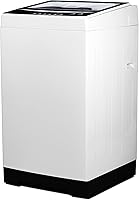
Can You Run a Washing Machine Empty?
Yes, you can run a washing machine empty, and it's the normal way to clean the tub. An empty cycle with a cleaner tablet or plain hot water lifts soap scum and odor without wearing out clothes.
On this page (10 sections)
- What happens when you run a washing machine with no clothes?
- Why run a washing machine empty?
- How do you run an empty cleaning cycle step by step?
- Which cleaner should you use in an empty load?
- Can an empty cycle fix a smelly front loader?
- How often should you run an empty load?
- What are the limits of an empty cycle?
- Can an empty load help when choosing or fitting a washer?
- What should you do after the empty cycle ends?
- So can you run a washing machine empty?
Yes, you can run a washing machine empty, and it's the normal way to clean the tub. An empty cycle with a cleaner tablet or plain hot water lifts soap scum and odor without wearing out clothes.
Run one when the drum smells, when you move into a home with a used washer, or on a monthly routine.
The empty load is not a trick or a shortcut. Washer makers design cleaning cycles around it, so the drum spins and drains the same way it does with a full load of towels.
What happens when you run a washing machine with no clothes?
The machine fills, agitates or tumbles, drains and spins exactly as usual. With no fabric to cushion the drum, water moves freely across the walls and the pump pushes out loosened grime.
An empty wash also skips the balance and load-sensing steps that a heavy load triggers on many machines.
Nothing in the tub wears faster because it's empty. The bearings, seal and motor handle a light or empty drum more easily than an overloaded one.
Detergent and soil are what age a washer, not the absence of laundry.
The one thing an empty cycle won't do is clean clothes. If your goal is fresher shirts, an empty run does nothing for them.
Empty cycles are for the machine, not the laundry.
Why run a washing machine empty?
The main reason is odor and residue control. Soap scum, lint and body oils build up on the drum, in the pump and around the door gasket.
An empty hot cycle with a cleaner breaks that film loose and sends it down the drain.
A second reason is a new or used machine. Run one empty hot cycle before the first load to flush factory dust or whatever the previous owner left behind.
That matters more with a used top loader you bought secondhand.
The third reason is hard water. Scale builds on heating elements and drums over time, and a descaler tablet in an empty cycle dissolves it.
If your area has hard water, plan a cycle more often than once a month.
How do you run an empty cleaning cycle step by step?
Start with an empty drum and follow the cleaner's directions. The steps below work for front loaders and top loaders, though the buttons differ.
- Take out all laundry and check the drum for stray socks or coins.
- Add the cleaner tablet or liquid to the drum or detergent drawer as the pack says.
- Choose the hottest cycle the machine allows, or the machine's own tub clean program.
- Let the full cycle finish, including the final spin.
- Wipe the gasket, detergent drawer and door glass while the tub is still damp.
- Leave the door or lid open so the interior dries.
Skip extra detergent on a cleaning cycle. A cleaner plus detergent can foam too much in a high-efficiency washer and leave residue behind.
Which cleaner should you use in an empty load?
A dedicated washer cleaner is the safest choice, because it's made for the tub rather than for fabric. The two tablets here suit different routines and budgets.
Affresh is the simpler monthly habit. Its time-release tablet works through the whole cycle and the brand says it's safe for all machines, including high-efficiency and septic systems.
One tablet a month covers a normal household.
The ACTIVE 24 pack lasts a year and costs less per cycle. Its tablets foam and break down into a scrubbing powder when they hit water.
The brand says they're septic safe and work in front and top loaders.
Pick Affresh if you want the least fuss and one tablet a month. Pick ACTIVE if you clean often or have hard water and want a year of tablets in one box.
Neither replaces wiping the gasket by hand.
Can an empty cycle fix a smelly front loader?
It helps, but the gasket is usually the source. Water and lint collect in the rubber fold at the bottom of a front loader door.
An empty hot cycle reaches the tub but can't scrub that fold for you.
Wipe the gasket with a damp cloth after each wash week. Pull the fold back and check for trapped hair, lint or a lost sock.
Then run the empty cleaner cycle to flush what's behind it.
Drying matters as much as cleaning. A door left shut keeps moisture in and lets mildew grow again within days.
A magnetic prop holds the door ajar so air moves through the tub between washes.
The prop sticks to a magnetic metal panel and bends to hold the door at the opening you want. Check that your washer's front panel is magnetic before you count on it.
Stainless steel and plastic panels won't hold the base.
How often should you run an empty load?
Once a month is a sensible default. Run the empty cleaner cycle on the first of the month, or when you change the bedding, so it becomes a habit you don't forget.
Run it more often in a few situations: a home with pets that wash bedding weekly, a household that gyms most days, or hard water that leaves white film on the drum. In those cases, every two weeks is reasonable.
Skip the extra cycles when the drum is dry and odor free. An empty run costs about the same water and power as a light load, so there's no saving in doing it weekly for no reason.
If the machine has a tub clean program, use it. It runs at the temperature and duration the maker designed for cleaning, which is usually hotter than a normal wash.
What are the limits of an empty cycle?
It won't unblock a drain, fix a leak or replace a filter clean. Those are separate jobs.
An empty cycle cleans surfaces and loosens residue, and that's it.
It also won't remove a smell coming from the drain hose or the lint filter on a top loader. Check those parts and clear them by hand before blaming the drum.
Some top loaders have a filter you can lift out and rinse.
Don't use an empty cycle to "test" a machine you think is broken. A strange noise or a failure to drain shows up just as well on a small load and tells you more about how the machine handles fabric.
Can an empty load help when choosing or fitting a washer?
Yes, in one practical way: it tells you how the machine sounds and drains before clothes go in. Run one empty hot cycle as soon as a new washer is installed and leveled.
Listen for knocking and check that the drain hose doesn't leak.
It also confirms the machine fills and spins at the settings you'll use. If the spin shakes the floor, the feet need adjusting before a real load makes it worse.
For apartment installs, read our guide to the washing machine for apartment setups that keep noise and vibration down.
When you're planning a purchase, the empty cycle question rarely changes the model you pick. Door type, capacity and hookups matter more, so start with how to choose a washing machine and then check what size washing machine do i need for your household.
One location note: if the washer sits in a garage or shed, cold weather changes the routine. Our post on whether you can you put a washing machine outside covers freeze risk and hookups.
What should you do after the empty cycle ends?
Dry the machine and leave the door open. Wipe the gasket, drawer and glass, then leave the door or lid ajar for a few hours.
Trapped moisture is what turns a clean tub smelly again.
Check the detergent drawer for clumps and rinse it under the tap. On a top loader, lift the fabric softener cup and clean the residue that collects there.
Softener is a common cause of a musty smell.
Look at the drain area for slow water. A partial clog shows up as a gurgle or a slow drain at the end of the cycle.
Clear lint from the filter before the next wash.
Finally, note the date. A monthly empty cycle only works if you remember it, so set a phone reminder for the same day each month.
So can you run a washing machine empty?
Yes, and for cleaning the tub it's the right move. Run an empty hot cycle with a cleaner tablet once a month, wipe the gasket and drawer by hand, and leave the door open to dry.
That routine keeps odors and soap scum from building up where you can't see them.
Choose Affresh for a once-a-month tablet that's simple to remember. Choose the ACTIVE 24 pack if you want a year of tablets for frequent cleaning or hard water.
Add the door prop if your front loader stays damp between washes. Then run the first empty cycle before any clothes go in and you'll know the machine is clean and working as it should.
The one case where an empty run is not worth it is a machine that already smells of drain water. Clear the filter and hose first, then run the cleaning cycle so you're not washing a problem around the tub.
After that, the monthly empty cycle is a small habit that keeps laundry smelling fresh.
Frequently asked questions
Can running a washing machine empty damage it?
No. An empty tub spins and drains just as it does with a load inside.
The only real risks are using too much detergent or a cleaner not meant for your machine, so follow the dose on the pack.
How often should I run an empty cleaning cycle?
Once a month is a good routine for most homes. Run it more often if you wash pet bedding, gym clothes or heavily soiled items, and less often if the drum stays dry and odor free between washes.
Can I run an empty load with just hot water and no cleaner?
Yes. A hot cycle with no detergent and no clothes flushes loose residue from the drum and hoses.
It does less against hard water scale than a descaler tablet, so alternate the two if your area has hard water.
Does an empty cycle use less water than a full load?
Usually not much less. Most machines fill to a set level for the chosen program, so an empty cycle costs about the same in water and power as a light load.
Run it for cleaning, not to save on utility bills.
Can I leave the door open after an empty cycle?
Yes, and you should. Leaving the door or lid ajar lets air reach the gasket and tub so leftover moisture can escape.
A prop holds a front loader open safely without blocking the walkway.
Should I run an empty load before washing clothes in a new machine?
Yes. Run one empty hot cycle first to flush factory residue and any dust from storage.
Add a cleaner tablet if you want the tub fresh before the first real load goes in.